

Japan’s Entertainment Scandals and Breaking the Silence: Misconduct, #MeToo, and Generational Shift
Tetsuya Tanimoto, MD. Chairman of Accessible Railway Medical Services Tetsuikai Medical Corporation. Director of Navitas Clinic Kawasaki
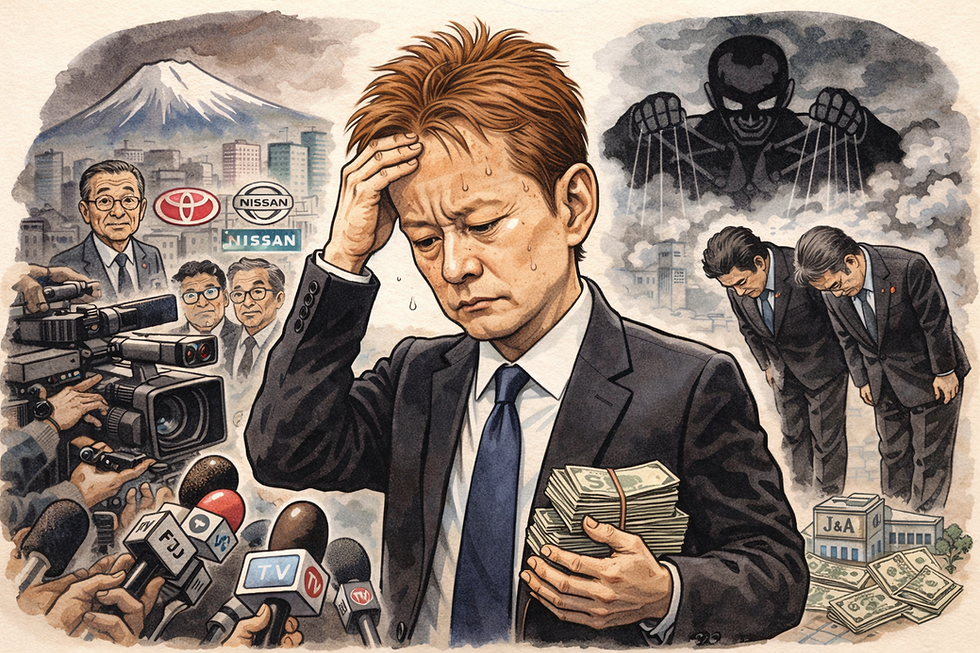
The controversy surrounding Masahiro Nakai, a 52-year-old former media personality, has led to significant developments within Japan's entertainment and broadcasting industries. Nakai, previously a member of the boy band SMAP, was accused of sexually assaulting a female Fuji Television Network employee in her 20s during a dinner in June 2023. He reportedly reached an out-of-court settlement with the woman, paying 90 million yen (approximately $580,000). In January 2025, Nakai issued a formal apology, expressing profound contrition for his actions, and subsequently announced his retirement from the entertainment industry on January 23, 2025.
As of February 1, 2025, the incident has had far-reaching repercussions, including Nakai's resignation from prestigious television programs and the dissolution of multiple corporate sponsorship agreements. Dozens of major companies, such as Toyota, Nissan, Shiseido, and Seven & I Holdings, have withdrawn their advertisements from Fuji TV in response to the scandal.
The situation has been further exacerbated by emerging allegations against senior executives accused of potentially orchestrating clandestine maneuvers in connection with the incident. These revelations have implicated not only Nakai but have also cast a spotlight on systemic deficiencies in institutional oversight and the entrenched organizational culture within Fuji Television and the broader television industry. In response, Fuji Television's president, Koichi Minato, and the company's chairman, Shuji Kano, announced their resignations following intense scrutiny and criticism over the network's handling of the scandal.
The controversy has ignited a wider societal discourse on accountability and the pressing need for systemic reform across Japan's entertainment and broadcasting industries. Traditionally characterized by an acute preoccupation with image preservation and a protective stance toward cultural intermediaries, these sectors are now under pressure to adopt rigorous frameworks for addressing misconduct. Furthermore, the scandal has illuminated the complex interplay among television networks, talent agencies, and corporate sponsors, underscoring the imperative for structural reforms to safeguard vulnerable employees and institutionalize ethical standards across the media landscape.
Nakai and SMAP: The Weight of a Cultural Legacy
The person in trouble, Nakai, is not just any celebrity; he is a former member of SMAP (Sports Music Assemble People), one of the most iconic idol groups in Japan’s history. Formed under the talent agency Johnny & Associates, SMAP redefined the role of idols in Japanese entertainment. The group, active from 1988 to 2016, expanded beyond music to dominate television, film, and commercials. Each member became a household name, with Nakai distinguishing himself as a charismatic TV host and the de facto leader of the group.
SMAP’s influence extended far beyond Japan, shaping not only Japanese pop culture but also setting trends across Asia. The group’s innovative approach to the idol phenomenon—seamlessly blending music, television, and commercial endorsements—pioneered a multi-faceted model that many idol groups in Japan and other parts of Asia, particularly South Korea, later emulated. Their popularity transcended language barriers, and their performances and variety show appearances attracted fans from across the region, symbolizing the peak of the idol phenomenon in the 1990s and 2000s.
SMAP’s legacy continues to inspire new generations of artists and remains a cultural touchstone in the history of Asian entertainment. Notably, the group’s variety show, SMAPxSMAP, combined music, comedy, and interviews, and became a cultural institution for over two decades. Their disbandment in 2016 marked the end of an era, but their legacy continues to resonate. Nakai, leveraging his fame, successfully transitioned into hosting multiple television programs, becoming one of Japan’s most trusted and visible media personalities.
Given this illustrious background, the current controversy carries an added layer of complexity. Nakai’s reputation is not only tied to his individual career but also to the broader legacy of SMAP. For fans and the public, his involvement in a scandal challenges the pristine image carefully cultivated over decades. This underscores the stakes for celebrities in Japan, where personal behavior is often seen as reflective of professional credibility and moral character.
Adding further context to Nakai’s situation is the broader scrutiny faced by Johnny & Associates, the talent agency that launched SMAP. In recent years, the agency has been embroiled in its own scandal following allegations of abuse against its late founder, Johnny Kitagawa. Accusations surfaced decades ago but were largely dismissed or ignored, reflecting a reluctance within Japan’s media and entertainment industry to confront powerful figures. However, renewed attention in the wake of the global #MeToo movement forced the agency to issue a formal apology in 2023 and commit to addressing its troubled history.
The Johnny & Associates scandal is emblematic of the challenges faced by Japan’s entertainment industry in reckoning with past misconduct. It also highlights the pervasive influence of hierarchical structures, where junior talents often feel unable to speak out against powerful figures. This backdrop casts Nakai’s case in a broader light, as it reflects not just individual accountability but also systemic issues within the entertainment industry in Japan.
Historical Context and Generational Shift: Japan’s Approach to Scandals
Historically, Japan’s response to scandals has been deeply rooted in cultural values such as giri (duty or obligation) and haji (shame). These principles emphasize personal accountability and public contrition, typically expressed through formal apologies, resignations, and symbolic gestures like ojigi (bowing deeply). While these actions aim to restore trust and social harmony, they often fall short of addressing underlying systemic issues or providing meaningful support to victims. In contrast, global movements like #MeToo emphasize structural change, legal accountability, and victim empowerment. Japan’s traditionally hierarchical society, where age, gender, and status significantly influence power dynamics, complicates these efforts. Women, particularly younger individuals, may find it challenging to raise complaints against influential figures, as seen in Nakai’s case.
Nakai’s case also highlights a generational divide in Japan. Older generations often uphold traditional norms emphasizing hierarchy and deference, whereas younger individuals increasingly embrace global values such as gender equality and individual rights. Social media platforms have amplified younger voices, challenging entrenched norms and demanding accountability. Movements like #MeToo, while resonating with Japan’s younger demographic, face resistance from older institutions and cultural stigmas. Figures like journalist Shiori Itō, who became a symbol of Japan’s struggle against sexual harassment, have inspired incremental progress. However, societal reluctance to openly discuss harassment or provide institutional support for victims continues to hinder significant change.
Global Context: Hollywood and the #MeToo Movement
The implications of the #MeToo movement extend beyond Hollywood, offering valuable lessons for other industries and cultural contexts, including Japan’s entertainment sector. The cases of Harvey Weinstein, Kevin Spacey, and Woody Allen highlight critical issues such as power dynamics, institutional complicity, and societal responses to allegations—challenges that resonate in Japan, particularly in the case of Nakai.
Nakai’s case, while differing in scope and nature from the high-profile #MeToo allegations in Hollywood, underscores similar themes of accountability and public perception. The fallout from his admission of involvement in a dispute with a younger woman and additional complaints involving a Fuji TV senior executive reveal how deeply image and integrity are tied to professional survival in Japan’s entertainment industry. The public scrutiny surrounding Nakai reflects the global trend toward greater expectations for personal accountability, even in societies where hierarchical structures and cultural norms have historically inhibited open discussions of misconduct.
The generational divide seen in Woody Allen’s case, where younger audiences demand accountability while older defenders emphasize artistic legacy, parallels shifting attitudes in Japan. Younger generations in Japan, influenced by global movements like #MeToo, are increasingly challenging entrenched hierarchies and cultural taboos. Nakai represents the older guard of Japanese entertainment. His case thus serves as a litmus test for how Japan reconciles traditional values of harmony and public contrition with emerging global standards of justice and reform.
The implications of Weinstein’s conviction—emphasizing the need for legal and systemic reform—are particularly relevant for Japan, where the entertainment industry has yet to implement robust mechanisms for addressing misconduct. The absence of independent oversight, combined with a reliance on public apologies and resignations, mirrors the initial failings of Hollywood before the #MeToo movement demanded transformative change. Nakai’s case presents an opportunity for Japan to move beyond surface-level responses and address deeper systemic issues, such as the lack of safe reporting mechanisms for victims and the need for trauma-informed support.
Furthermore, Kevin Spacey’s case, which highlighted the often-overlooked plight of male victims of harassment, broadens the conversation to include all individuals affected by abuses of power. Similarly, The Johnny & Associates scandal’s situation could serve as a starting point for examining how power imbalances within Japan’s entertainment industry affect not only young women but also junior staff, less prominent performers, and other vulnerable groups.
Woody Allen’s case also provides a cautionary tale about unresolved allegations and the complexities of public perception. In Nakai’s case, the unresolved nature of the additional complaints could lead to prolonged public and media scrutiny, potentially tarnishing not only his reputation but also the broader trust in Japan’s entertainment industry and TV companies. The tension between public opinion, legal outcomes, and the ethical responsibilities of institutions is just as relevant in Japan as it is in Hollywood.
Ultimately, Nakai’s case, viewed through the lens of the #MeToo movement, underscores the universal need for industries to prioritize accountability, protect victims, and establish systems that prevent misconduct. While Japan’s cultural and historical context will shape its path forward, the lessons from Hollywood demonstrate the importance of institutional courage and societal support in creating lasting change. By addressing these issues, Japan’s entertainment industry has the opportunity to align itself with global standards of justice and foster a safer, more equitable environment for all its stakeholders.
Medical and Psychological Implications of Celebrity Scandals
The impact of harassment and misconduct extends beyond immediate experiences, often causing long-term psychological and physical effects such as chronic stress, anxiety, depression, PTSD, and related somatic symptoms. Prolonged trauma may weaken the immune system, increasing vulnerability to health issues. In Japan, cultural stigmas surrounding mental health often discourage victims from seeking help, exacerbating symptoms and delaying recovery. Early intervention with trauma-informed care can improve outcomes, highlighting the need to reduce barriers to mental health support.
Public scandals involving high-profile figures can catalyze societal awareness and encourage accountability but may also retraumatize victims if media coverage is invasive or sensationalized. Reporting that prioritizes perpetrators’ narratives risks sidelining survivors, whereas trauma-informed media practices can promote healing, empathy, and systemic reform.
Celebrity scandals can prompt institutions to reevaluate ethical standards, implement stronger misconduct reporting mechanisms, and foster equitable environments. However, hierarchical cultural norms, such as prioritizing harmony over accountability, often perpetuate silence and misconduct. Public education campaigns emphasizing the importance of speaking out and holding perpetrators accountable are essential to dismantling these barriers.
The repercussions extend to perpetrators and bystanders as well. Perpetrators face social ostracism, professional setbacks, and psychological distress, while bystanders often experience guilt and helplessness, eroding workplace morale. Organizations can mitigate these effects by fostering open dialogue, providing support systems, and empowering individuals to address inappropriate behavior without fear of reprisal.
To mitigate the effects of scandals, trauma-informed approaches are needed at individual, organizational, and societal levels. Survivors require access to confidential mental health services in supportive environments, while organizations must implement transparent reporting systems and train leaders to address misconduct and support mental health. Public education campaigns and ethical media practices can further reduce stigma, encourage open conversations, and drive cultural change toward accountability and respect.
Lessons from Research Misconduct
The challenges of addressing celebrity scandals offer a valuable perspective for examining misconduct in other sectors, such as academia and medicine. In both contexts, unethical behavior not only tarnishes individual and institutional reputations but also erodes public trust in the systems they represent. Scandals in the entertainment industry disrupt audience confidence, fracturing the relationship between the public, cultural institutions, and the frameworks they uphold. Similarly, research misconduct—such as data fabrication, plagiarism, and unethical authorship—undermines scientific integrity, jeopardizing public confidence and the societal benefits of reliable research.
Through our work published in leading journals like The Lancet, Nature, and Science, my collaborators and I have explored the necessity of robust oversight mechanisms to safeguard integrity. In science, these mechanisms include transparent peer review processes, rigorous ethical guidelines, and independent investigations into alleged misconduct. Analogously, the entertainment industry can benefit from implementing parallel systems, such as transparent grievance redressal frameworks, impartial review boards, and clear protocols to prevent abuses of power. These measures not only hold individuals accountable but also signal a broader commitment to systemic reform.
One illustrative case is Japan’s Diovan scandal, a stark example of how scientific misconduct can undermine trust at an international level. The scandal involved falsified clinical trial data that promoted a hypertension drug, resulting in widespread public and institutional disillusionment. This case underscores the global implications of misconduct and the ethical responsibilities of stakeholders, from corporations and researchers to regulatory bodies and policymakers. Our analysis of such cases has led us to advocate for the establishment of a global forum where nations and industries can collaboratively address issues of misconduct, share best practices, and develop strategies for fostering transparency and accountability.
These lessons are not confined to science. Whether in entertainment, academia, or other sectors, the universal importance of transparency, accountability, and ethical leadership cannot be overstated. These principles form the bedrock of public trust and ensure that industries can fulfill their broader social missions. By examining historical failures, industries have the opportunity to implement forward-looking reforms that prioritize fairness, inclusivity, and systemic integrity.
Moreover, the cross-sector relevance of these principles highlights the need for a more integrated approach to addressing misconduct. Both science and entertainment wield significant cultural and societal influence, shaping public perceptions and expectations. Scandals in either domain have a ripple effect, extending beyond the immediate participants to influence global attitudes and norms. By fostering collaboration between fields, industries can learn from one another’s successes and missteps, creating a collective framework for ethical governance that transcends disciplinary boundaries.
Ultimately, addressing misconduct demands a dual focus: holding individuals accountable while also confronting the systemic weaknesses that enable unethical behavior. Through a commitment to introspection, reform, and the active promotion of ethical standards, industries can rebuild trust and uphold the ideals of progress, fairness, and societal well-being. The lessons derived from research misconduct, when applied across disciplines, serve as a powerful reminder that transparency and accountability are not merely desirable qualities but essential prerequisites for enduring success and public trust.
Lessons for Reform and Progress in Japanese Society and Beyond
The psychological and societal implications of Nakai’s case highlight the complexities of managing scandals in a publicized context. For those directly affected, the emotional toll is exacerbated by Japan’s cultural stigma surrounding mental health, underscoring the need for greater public awareness and access to resources. Culturally, the case exposes tensions within Japan’s idol industry, where public figures like Nakai, a former SMAP member, are held to unattainable moral standards. The scandal disrupts this idealized image, prompting both the industry and society to address the gap between public expectations and personal accountability. Addressing these challenges requires systemic reforms emphasizing transparency, prevention, and healing.
Japan’s response to scandals reflects its evolving societal values. While globalization and movements like #MeToo have introduced new frameworks for addressing misconduct, Japan’s progress has been gradual, hindered by traditional norms and institutional resistance. Compared to the rapid reforms seen in the U.S. and Europe, Japan’s measured pace underscores its cultural and systemic complexities. The Nakai’s case emphasizes the need for comprehensive reforms that blend international lessons with cultural sensitivity. Moving from reactive responses to preventive measures—such as mental health education, public dialogue, and ethical leadership—can reshape societal norms. By prioritizing accountability and equity, Japan’s entertainment industry and other sectors can lead the way in fostering a more just and resilient culture.
Comments